Move Like a Pro or Get Fragged Like a Noob: The Movement Mechanics Carrying Ranked Games Right Now
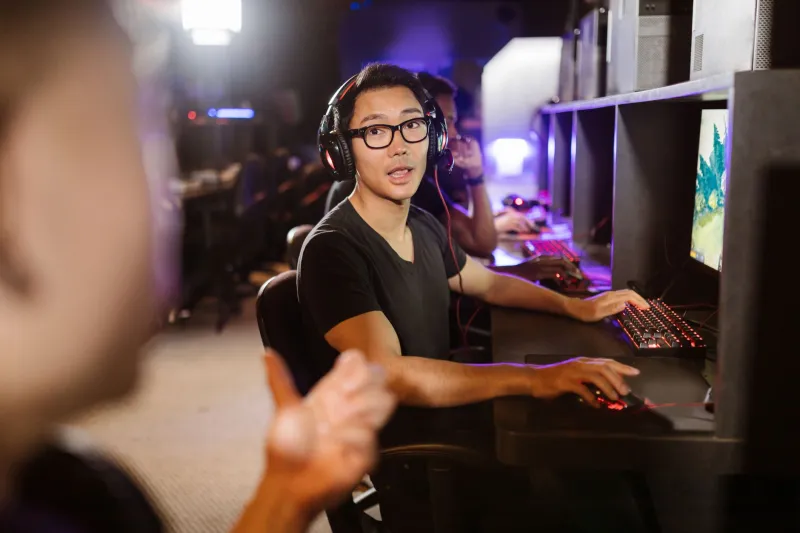
You've seen it happen. You peek a corner, take a bullet to the face before you even process the enemy's position, and spend the next ten seconds watching the killcam wondering how they shot you before you were even fully visible. Meanwhile, pro players seem to dance around the map like they're operating on a completely different physics engine.
Spoiler: they kind of are — except it's not a different game. It's a different level of mechanical understanding.
The movement tech separating high-elo lobbies from everyone else isn't secret knowledge locked behind a paywall. It's freely available, frequently demonstrated on Twitch and YouTube, and almost universally dismissed by casual players as "sweaty" or "tryhard." That dismissal is exactly why most players are stuck in the same rank they've occupied for three seasons straight.
Let's break down what's actually happening and, more importantly, how you can start doing it.
What Is Movement Tech, Actually?
At its core, movement tech refers to intentional manipulation of your character's hitbox and animation state to create unfavorable conditions for your opponent. In practical terms: you're trying to be harder to hit while maintaining your own ability to shoot accurately.
In most modern shooters — think Valorant, CS2, Apex Legends, or even Call of Duty — your character model and hitbox don't always behave the way your brain expects. There are tiny windows during transitions between stances, directional changes, and animation frames where your hitbox is in an unexpected position. Pros don't just know this exists. They build entire micro-movement habits around exploiting it.
Crouch-Peeking: The Move Everyone Hates Dying To
Crouch-peeking is probably the most controversial movement technique in competitive shooters right now, and for good reason — when it's done correctly, it's genuinely difficult to counter without knowing it's coming.
Here's the mechanic: as you begin to peek a corner, you tap crouch at the precise moment your head clears the edge of cover. In games like CS2, this drops your hitbox mid-animation faster than a standing peek would, meaning the enemy's pre-aimed crosshair placement — typically head level — briefly misses your actual position. You get a free look at their location, sometimes even a free shot, while their initial aim is already off.
The drill: Set up a custom lobby or find an aim trainer that supports it. Practice peeking a corner from a stationary position, tapping crouch exactly as your model becomes exposed. The goal isn't to spam crouch — it's a single, timed tap. Do this 20 minutes a day for a week and the timing becomes automatic.
Where it matters most: tight angle holds, doorways, and any spot where an opponent is likely to be pre-aiming a specific head-height position.
Shoulder-Peeking: Information Gathering Without Dying
If crouch-peeking is about winning the fight, shoulder-peeking is about not starting one you'll lose.
The technique involves quickly flicking your character out from behind cover just far enough to bait an opponent's shot — or confirm their presence — then retreating before they can hit you. Done fast enough, you've forced them to fire (giving away their position and potentially resetting their aim), and you've taken zero damage.
This is pure information warfare. You now know exactly where they are, whether they're holding the angle, and what weapon they might be using based on the sound of the shot. They've burned a bullet or reset a scope. You've lost nothing.
The drill: Against a wall in a practice range, work on the rhythm of peek-retreat. The motion should take no more than a fraction of a second. If you're spending more than half a second exposed, you're doing it too slowly to be effective. Start slow to build the muscle memory, then gradually cut your exposure window down. Think of it like a jab in boxing — quick, controlled, designed to provoke a reaction rather than deal damage.
Strafe-Jumping: Movement as a Survival Tool
Strafe-jumping gets less attention in tactical shooters because many of them deliberately limit air movement to prevent it. But in games that allow it — Apex Legends, older Arena shooters, even certain movement-forward titles — it fundamentally changes how threatening you are as a target.
The concept: chaining directional changes mid-air while maintaining momentum creates an unpredictable movement pattern that's significantly harder to track than a player running in a straight line. In Apex specifically, combining a well-timed jump with a directional strafe while looting or repositioning can mean the difference between eating a sniper bullet and surviving a rotation.
The drill: In your next session, consciously practice changing direction while jumping during low-stakes moments — between fights, during rotations, when you know you're potentially visible from a distance. Don't wait for a gunfight to start experimenting. Build the habit during safe windows so it's available when the pressure is real.
Why Casuals Call It Sweaty (And Why That's Backwards)
Here's the thing about the "sweaty" label: it's almost always applied by players who haven't taken the time to learn the mechanic being criticized. Calling a technique sweaty is a way of framing your own unfamiliarity as a moral stance.
But movement tech isn't some exploit that's one patch away from getting nuked. These mechanics exist because the games are designed around them at the highest level. Developers of games like CS2 and Valorant are absolutely aware that pros crouch-peek. They haven't removed it because it represents a legitimate skill expression — one that rewards practice and punishes complacency.
Dismissing it as sweaty while sitting in Gold or Platinum is roughly equivalent to a recreational basketball player calling crossover dribbles "unfair." It's a skill. You can learn it.
Connecting the Dots: How This Translates to Rank Gains
The reason movement tech matters for climbing isn't just that individual techniques win individual duels. It's that consistent application of these mechanics forces your opponents to play reactively rather than proactively.
When enemies don't know how you're going to move, they can't pre-aim you as effectively. When they can't pre-aim you, their first-shot accuracy drops. When their first-shot accuracy drops, your survival rate climbs. When you survive more fights, you have more economy, more information, and more map presence. That chain reaction from a crouch-tap or a shoulder peek compounds across an entire match.
At lower ranks especially, almost nobody is actively training movement. The player in your lobby who has spent two weeks drilling crouch-peeks is going to feel borderline unkillable to opponents who've never thought about it.
Start Small, Stay Consistent
You don't need to overhaul your entire playstyle tonight. Pick one technique — probably shoulder-peeking since it's the lowest-risk starting point — and make it a conscious focus for your next five sessions. Don't worry about whether it's working immediately. The goal in early practice is building the reflex so the action becomes available under pressure.
Once shoulder-peeking feels natural, layer in crouch-peeking on specific angles where you know opponents tend to hold. Build the toolkit one piece at a time.
Pro players didn't develop these habits in a single grinding session. They built them over hundreds of hours until the movement became as automatic as reloading. You're not trying to match that overnight. You're just trying to close the gap — one peek at a time.