Call Time: The Timeout Tactics That Competitive Teams Use to Flip Matches — And How You Can Too
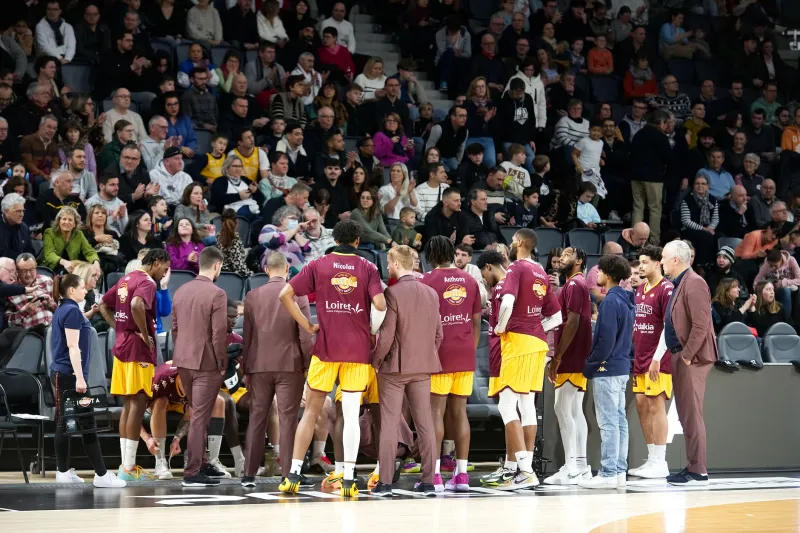
Watch any top-tier esports broadcast long enough and you'll notice something that casual viewers often dismiss as a boring production pause: the strategic timeout. A team calls it mid-series, the players lean back, the coaches step in, and for thirty seconds to a couple of minutes, nothing visible happens. Casters fill the dead air. The crowd settles. Then play resumes — and suddenly the team that was getting dismantled starts playing like a completely different squad.
That's not a coincidence. That timeout did something. And understanding what it did is one of the most underutilized competitive edges available to players at every level.
More Than a Breather: What a Timeout Actually Resets
The instinct is to think of a timeout as a rest — a chance to catch your breath and regroup. That's the surface-level read, and it's not wrong, but it misses most of what's actually happening.
At the competitive level, a well-timed timeout accomplishes several things simultaneously. First, it physically interrupts the opponent's momentum. Momentum in esports is real and measurable — teams on winning streaks develop rhythm, predictability in their own favor, and psychological confidence that compounds. Breaking that streak, even artificially, disrupts the feedback loop. The opposing team has to stop, sit with the break, and re-enter the game without the forward pressure of a run carrying them.
Second, it gives the calling team a chance to deliver specific, actionable information in a calm environment rather than shouting adjustments mid-chaos. In-round communication is messy. Players are processing multiple inputs simultaneously. A pause window creates a clean channel — a moment where information can land clearly and be processed without competition from in-game stimuli.
Third, and most importantly for understanding why timeouts work so consistently, it resets the emotional state of the team calling it. Momentum cuts both ways. When a team is getting steamrolled, their own psychology starts working against them. Decisions become reactive. Confidence erodes. Players start playing not to lose rather than playing to win. A timeout is an emotional circuit breaker — it stops the spiral before it becomes a rout.
The Architecture of a Good Timeout
Elite coaching staffs don't use timeouts randomly. There's a decision framework operating beneath the surface, and understanding it reveals a lot about how competitive psychology actually works.
The early timeout. Some coaches call a timeout after the very first round of a series, before any momentum has had a chance to form in either direction. This is a pre-emptive move — establishing that the team is operating deliberately, setting communication norms early, and sometimes catching an opponent off guard who expected the pause mechanics to only appear in crisis moments. It's a power move disguised as housekeeping.
The momentum-kill timeout. This is the most recognizable use. Opponent wins three rounds in a row? Call time. It doesn't matter whether your team has specific adjustments to make — interrupting the opponent's rhythm has standalone value. You're essentially saying: your run ends here, not because of anything you did, but because we decided it does.
The pre-close timeout. This one is counterintuitive. Some teams call timeouts when they're winning — specifically when they're one or two rounds from closing out a map or match. The logic is that this is exactly when your own team is most vulnerable to complacency. A brief pause to sharpen focus and communicate execution expectations can be the difference between a clean close and a catastrophic choke.
The adjustment timeout. The classic use case. Something specific isn't working — a particular player is getting exploited, a strategy isn't landing, the opponent has found a read on your tendencies. The timeout is a mini film session: identify the problem, communicate the fix, re-enter with a clear plan.
The Psychology of the Pause From the Other Side
Here's something competitive players rarely consider: what does it feel like to be the team that has a timeout called against them?
If you're on a run, the pause is genuinely disruptive in ways that go beyond strategy. Your team was in flow. The game was moving fast and in your favor. Now everything stops, and you have to sit with that — but you can't talk to your coach, you can't strategize freely, you just have to wait. For players who thrive on momentum, that forced stillness is uncomfortable. The energy dissipates. You re-enter the game a little colder.
Top-tier teams understand this and try to counteract it by using opponent timeouts as their own reset opportunity — treating the pause as bonus prep time rather than a disruption. But this requires discipline and coaching. For most teams, a well-timed opponent timeout does exactly what it's designed to do: it takes the air out of your run.
Translating This to Solo Queue and Small Team Play
Most competitive players reading this aren't competing in organized league play with formal timeout rules. So what does this actually mean for your ranked experience?
The principles translate more directly than you might think. The specific mechanic doesn't need to exist in your game for the underlying psychology to apply.
Use natural pause windows deliberately. Between rounds, between maps, at loading screens — these are your timeouts. Most players fill this time passively: checking their phone, venting in chat, letting their brain idle. Treat these windows as active reset opportunities instead. Take three deep breaths. Identify one specific thing to adjust. Communicate one clear intention to your squad.
Call a verbal timeout with your team. If you're playing with a coordinated group, there's nothing stopping you from saying "let's stop for ten seconds" between rounds when momentum is going the wrong way. It sounds simple. It works. The act of acknowledging the moment and deliberately resetting is the mechanism — the specific format is secondary.
Recognize when you need to break your own rhythm. Sometimes the momentum working against you is internal. You've made three bad decisions in a row. You're reactive, you're tilted, you're playing scared. In those moments, the most valuable thing you can do is artificially create a pause — step away from the keyboard for sixty seconds, breathe, re-enter with a specific intention. Most players never do this because it feels like admitting weakness. It's actually the opposite.
Use the dead time to solve one problem, not all of them. The teams that misuse timeouts are the ones who try to address everything at once. The teams that weaponize them focus on one specific, actionable adjustment. Follow that model. Pick the most important thing to change and communicate it clearly. Everything else can wait.
The Thirty-Second Edge
Competitive gaming is full of edges that don't show up on a mechanical skill leaderboard. The players and teams who climb consistently are often the ones who've mastered the psychological and strategic layers that sit above raw mechanics — and pause mechanics are one of the clearest examples of that principle in action.
Elite teams don't call timeouts because they're tired. They call them because they understand that momentum, attention, and emotional state are as much a part of competitive performance as aim and utility usage. Controlling those variables, even for thirty seconds, is a skill — and like every other skill in competitive gaming, it can be learned.
The clock is ticking. Use it.