The Grind Is the Con: How F2P Progression Systems Are Quietly Burning Out Your Ranked Game
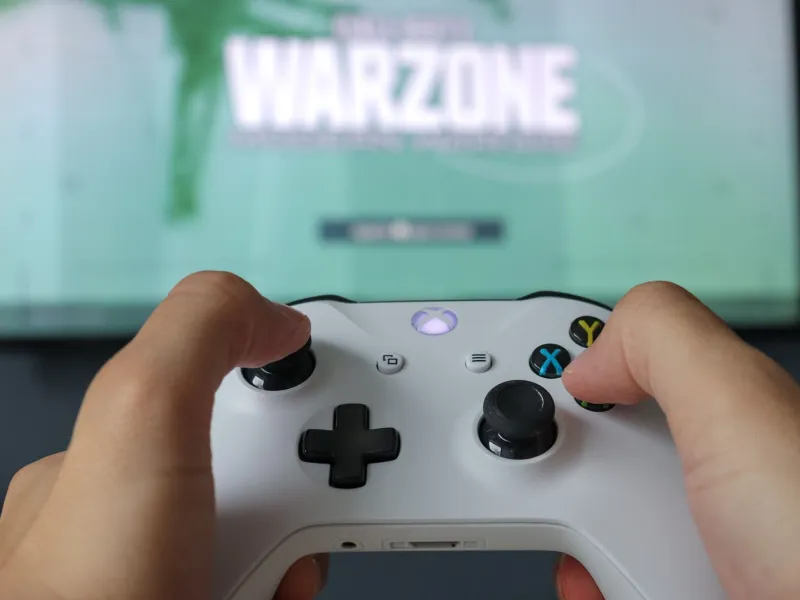
Free-to-play gaming sounds like the best deal in entertainment. Download the game, no credit card required, log in and compete. The pitch is democratic — skill should be the only currency that matters. But spend a few months deep in any major F2P title and you'll notice something uncomfortable: the game has a second job waiting for you, and it pays in anxiety.
Battle passes. Daily challenges. Weekly missions. XP multipliers that expire. Limited-time event rewards that only drop during specific windows. These systems are not designed to make you a better player. They are designed to maximize your time-in-game and create recurring emotional urgency around logging in — and the competitive cost of that design is something almost nobody talks about honestly.
What Decision Fatigue Actually Costs You In-Game
Before you even queue ranked, modern F2P games are already taxing your cognitive bandwidth. Should you knock out the daily challenge that gives you 500 XP? Do you have time to grind the event mission before the timer resets? If you skip today's objectives, are you falling behind on the battle pass tier you already paid for?
This is decision fatigue in action, and it's not a small thing. Cognitive science research consistently shows that the quality of human decision-making degrades with each successive choice made throughout the day. Competitive gaming — especially at a ranked level — demands sharp, fast, high-quality decisions every few seconds. If you're walking into your ranked session already mentally taxed from managing progression systems, you are playing with a handicap that has nothing to do with your mechanical skill or game knowledge.
The worst part is that it's invisible. You don't feel fatigued the way you feel tired after a long shift. You just start making slightly worse calls. Your rotations get lazy. Your macro gets sloppy. You chalk it up to variance or bad teammates, because nobody ever thinks to ask: how much mental energy did the game's progression menus cost me before I clicked 'Find Match'?
The Battle Pass Timer Is a Psychological Weapon
Let's be direct about what a battle pass timer does. It converts a leisure activity into an obligation with a deadline. The moment you purchase a battle pass — and most active players do, because the cosmetics are genuinely good and the perceived value is hard to argue with — you've accepted an implicit contract: play consistently, hit these thresholds, or lose what you paid for.
For casual players, this is mildly annoying. For competitive players trying to climb rank, it's actively destructive.
Here's a scenario that plays out constantly across every major F2P title: You've had a rough stretch of ranked games. You're tilted. Every instinct you have says to log off, decompress, and come back fresh tomorrow. But the battle pass tier resets in 36 hours, and you're three challenges short. So you queue up again. Not because you're ready to compete. Because the timer told you to.
That's not gaming. That's a Skinner box with better graphics.
Burnout Doesn't Announce Itself
F2P progression burnout is sneaky because it builds gradually. You don't wake up one day and decide you hate the game. Instead, sessions start feeling like chores. You're logging in to check boxes rather than to genuinely compete. Your emotional investment in ranked outcomes fades — not because you've achieved some enlightened detachment, but because the grind has hollowed out your motivation.
Players in this state make the worst ranked teammates. They're present but disengaged. They're technically in the game but mentally already thinking about which mission they can knock out in the next match. The grind didn't just hurt their performance — it infected the experience for everyone in the lobby.
Esports organizations that work with professional players take this seriously. Many competitive teams now explicitly schedule grind-free days where players are expected to either play ranked with zero progression awareness or not play at all. The separation of grinding from competing is treated as a genuine performance variable, not a soft wellness suggestion.
The Monetization Tension Nobody Wants to Acknowledge
Here's the awkward truth at the center of this conversation: the studios building these games are not your enemies. Free-to-play is a legitimate business model, and the progression systems that fund ongoing development have allowed games like Fortnite, Valorant, and Warzone to evolve in ways that paid titles with upfront costs simply couldn't sustain. The cosmetics are funding the servers, the balance patches, the new content.
But that doesn't mean the design is neutral toward your competitive goals. The incentive structure for a game studio is time-in-game and recurring spend. The incentive structure for a ranked player is efficient, high-quality practice sessions. These goals are not aligned, and pretending otherwise is naive.
The players who navigate this tension best are the ones who acknowledge it explicitly rather than pretending they can do both simultaneously without cost.
Practical Tactics for Protecting Your Ranked Brain
You don't have to quit battle passes or swear off progression systems. You just have to be strategic about when and how they interact with your competitive play.
Separate your grind sessions from your ranked sessions completely. If you're playing ranked, that session is only ranked. No mission-checking, no challenge tracking, no battle pass tab. If you want to knock out progression content, designate a separate session for that — casual modes, quick play, unranked. Don't let the two mindsets bleed together.
Evaluate your battle pass purchase with honesty. Before buying, ask yourself: am I purchasing this because I genuinely want the cosmetics, or because the FOMO is loud? If it's the latter, the pass is already costing you more than the $10 sticker price.
Set a hard ranked session start rule. Don't open ranked until all progression-related decisions are made and closed. Check your missions, decide whether you'll grind them today, and then mentally close that tab before queuing. The goal is to enter ranked with a clear cognitive slate.
Track your session quality, not just your rank. After each ranked session, ask yourself whether you felt genuinely engaged or like you were going through motions. Grind fatigue shows up in session quality before it shows up in your LP. Catching it early lets you course-correct before the burnout hits full force.
Play the Game, Not the System
F2P games are genuinely great. The accessibility, the regular content drops, the competitive ecosystems they've built — all of that is real value. But the progression systems layered on top are designed for engagement metrics, not competitive excellence.
The players climbing consistently in free-to-play ranked environments are the ones who've figured out how to take the game seriously without letting the game's monetization systems take them for a ride. They play when they're sharp. They grind when it's convenient. And they never let a battle pass timer make their matchmaking decisions for them.
The grind is optional. The rank is earned. Know which one you actually care about.