Game, Set, Scholarship: How Esports Is Putting College Dreams Within Reach

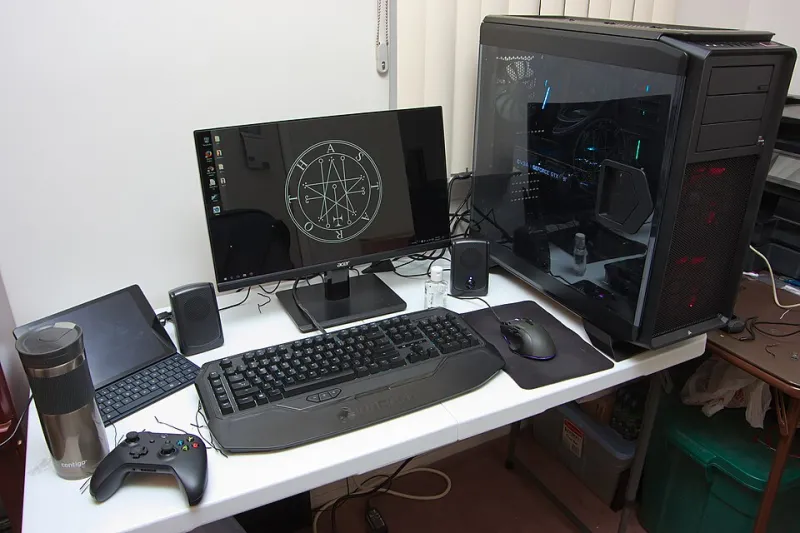
Photo: liq Admin, CC BY-SA 4.0, via Wikimedia Commons
A few years ago, telling your parents you wanted to go to college on a gaming scholarship would've earned you a long, disappointed stare. Today? That same conversation might end with a congratulatory hug and a campus tour brochure. Esports scholarships have quietly exploded across American universities, and the numbers are hard to argue with. We're talking full rides, partial tuition waivers, and housing stipends — all for players who've been grinding ranked queues instead of the football field.
So how did we get here, and more importantly, how do you get in?
From Dorm Room Hobby to Varsity Sport
The National Association of Collegiate Esports (NACE) was founded in 2016 with just a handful of member schools. As of 2024, over 200 colleges and universities across the United States have active varsity esports programs, collectively offering more than $16 million in scholarships annually. That's not pocket change — that's a genuine pipeline.
Schools like the University of California Irvine, Robert Morris University, and Maryville University have been among the early movers, building dedicated practice facilities, hiring full-time coaches, and treating their rosters with the same institutional seriousness as any Division I athletic program. And the games being played? Think League of Legends, Valorant, Overwatch 2, Rocket League, CS2, and even Super Smash Bros. Melee — a game that's been running on the same disc since 2001 and still commands a competitive scene that would make most sports blush.
"When I tell people I have a scholarship for playing Valorant, they think I'm joking," says Marcus T., a sophomore at a mid-sized Ohio university who requested his last name be withheld. "Then I show them my tuition bill and they stop laughing real quick."
Marcus is on a 60% tuition scholarship through his school's esports program. He practices four days a week with a structured schedule, attends film review sessions, and competes in the NACE Starleague circuit. It's not casual. It's a commitment.
What Programs Are Actually Offering
Scholarship amounts vary wildly depending on the school's size, funding model, and how serious they are about competing. Here's a rough breakdown of what's out there:
- Full-ride packages are rare but real, mostly at schools that have made esports a flagship program. Maryville University in St. Louis has been known to offer full scholarships to elite recruits.
- Partial scholarships ranging from $2,000 to $20,000 per year are far more common and make up the bulk of what NACE schools offer.
- In-state tuition waivers are popular at public universities that want to recruit talent without blowing their budget.
- Stipends for housing or equipment sometimes supplement academic scholarships, particularly at schools still building out their programs.
Game-specific funding also plays a role. League of Legends and Overwatch programs tend to be the most established, given the infrastructure that Riot Games and Blizzard built around collegiate play. But Rocket League, Valorant, and even Hearthstone have seen scholarship growth as publishers invest more in the collegiate pipeline.
Getting Recruited: It's Not Just About Your Rank
Here's where a lot of aspiring collegiate players get it wrong — they think rank alone is the golden ticket. It's not. Coaches are looking for a full package.
"I don't just pull up someone's op.gg and make a decision," explains Coach Dana Reyes, who runs an esports program at a private liberal arts school in the Southeast. "I want to see how they communicate, how they handle adversity, whether they're coachable. A Diamond player with a toxic streak is a liability. A Platinum player who works hard and leads their team? That's someone I can build with."
Here's what coaches say they actually evaluate:
- In-game performance — rank, stats, VODs, and tournament history
- Coachability — how you respond to feedback and adapt your play
- Communication skills — both in-game callouts and out-of-game professionalism
- Academic standing — most programs require a minimum GPA, often 2.5 or higher
- Character — online behavior, social media presence, how you treat teammates
Building a recruiting profile on platforms like NACE's official portal or BeRecruited (which has expanded into esports) can get your name in front of coaches. Competing in high school esports leagues — through organizations like the High School Esports League (HSEL) or PlayVS — also puts you on the radar.
The Reality Check Nobody Talks About
Let's be straight with you, because that's what FragZone does. Esports scholarships are real, but the path is competitive and not without trade-offs.
Collegiate esports is a serious time commitment. Practice schedules, travel for LAN events, mandatory team meetings — it adds up fast alongside a full course load. Some players find the structure helpful; others burn out. And unlike traditional sports, there's no clear professional draft system waiting for you on the other side. The esports job market is volatile, and most collegiate players won't go pro. That's just math.
But here's the flip side: the skills you develop — teamwork, strategic thinking, performance under pressure, leadership — translate. And a college degree, partially or fully funded by your gaming skills, is a concrete, lasting benefit regardless of what the esports industry looks like in five years.
"I'm not delusional about going pro," Marcus admits. "But I'm getting a computer science degree with way less debt than my friends, and I get to compete at a high level while I do it. That's a win."
How to Start Your Recruiting Journey
If you're a high school player (or the parent of one) trying to figure out next steps, here's a practical starting point:
- Build your digital footprint — create accounts on recruiting platforms, keep your social media clean, and start compiling VODs of your best gameplay
- Compete in organized leagues — PlayVS, HSEL, and local LAN tournaments all build your resume
- Research programs actively — NACE's member school list is public; find schools that fit academically first, then check their esports offerings
- Reach out directly — coaches appreciate initiative; a professional, well-written email introducing yourself goes a long way
- Keep your grades up — this one's non-negotiable
The era of gaming being dismissed as a waste of time is over. The receipts are in, and they've got a university letterhead on them. Whether you're a Valorant duelist or a Smash competitor, the pathway to a scholarship exists — and it's more accessible than most people realize.
Now get back to ranked. You've got a future to grind for.