So You Want to Get Paid to Game: A No-BS Breakdown of Building a Real Gaming Career
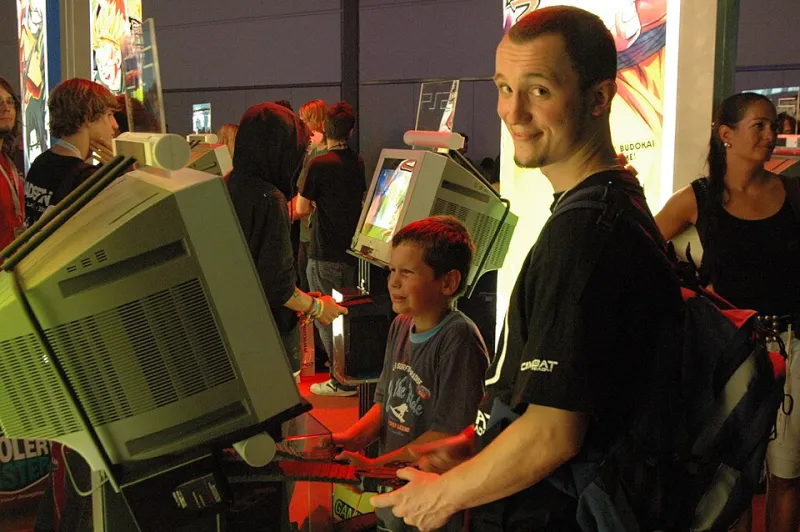
Photo: Sergey Galyonkin from Raleigh, USA, CC BY-SA 2.0, via Wikimedia Commons
Let's get the fantasy version out of the way first. You boot up your favorite game, hit record, clip a few insane plays, and six months later you're pulling six figures and gaming full-time in a custom setup that looks like a NASA control room. It happens — but the people it happens to are the exception, not the template. The real path to a sustainable gaming career looks a lot more like building a small business than winning a lottery ticket.
That said? It's more achievable than ever. The infrastructure for monetizing gaming content has matured dramatically, and the players who approach it with genuine strategy — rather than just vibes and a decent microphone — are finding real traction. Here's how to actually think about it.
Know Which Career You're Actually Building
The first mistake most aspiring gaming creators make is treating "gaming career" as a single destination. It isn't. There are at least four distinct paths, and they require different skills, different timelines, and different definitions of success.
Professional esports competitor. This is the narrowest path and the most talent-dependent. Top-tier orgs in games like League of Legends, Valorant, and Call of Duty pay competitive salaries — mid-tier roster spots in established leagues can range from $50K to $150K annually — but the pipeline is brutal and careers are short. If you're not already competing at a high amateur or semi-pro level by your early twenties, the math gets difficult fast.
Content creator/streamer. The most accessible path, and the one with the widest income variance. Someone with 500 consistent viewers on Twitch might clear $2,000–$4,000 per month between subscriptions, bits, and early sponsorships. A creator at 5,000 average viewers is potentially looking at $10K–$25K monthly across multiple revenue streams. The journey between those two numbers typically takes two to four years of consistent output.
Gaming media and journalism. Written content, video essays, YouTube channels covering industry news — this path plays well for people who love gaming culture as much as the games themselves. Entry-level gaming journalism roles at established outlets start in the $35K–$50K range, but independent creators in this space who build strong YouTube or newsletter audiences can scale well beyond that.
Behind-the-scenes roles. Coaching, team management, event production, community management for game studios — these are real jobs with real salaries that rarely get mentioned in "gaming career" conversations. If you want your professional life to revolve around gaming without being on camera or competing, this ecosystem is larger than most people realize.
The Streaming Reality Check
If streaming is your goal, the first number you need to internalize is this: Twitch currently has roughly 7–9 million channels that stream at least once per month. The top 1% of those channels capture the vast majority of viewership. That's not a reason to quit before you start — it's a reason to be strategic about differentiation from day one.
Successful streamers in the 2024 landscape rarely build audiences just by playing games. They build audiences around a personality or a niche. The most sustainable growth stories right now tend to involve a clear identity: the educator who breaks down high-level strategy, the variety streamer with a genuinely funny friend group, the grind-focused creator documenting a climb from bronze to diamond in real time. Generic "watch me play" content is fighting for scraps.
Platform choice matters more than it used to. Twitch remains the dominant live streaming platform, but YouTube Gaming offers meaningful discoverability advantages for creators with strong VOD content since YouTube's search algorithm surfaces old videos in a way Twitch simply doesn't. Kick has attracted attention with its more creator-friendly revenue split, though its audience is still a fraction of Twitch's. Many successful creators now stream primarily on one platform while cross-posting clips and highlights across TikTok, YouTube Shorts, and Instagram Reels to drive discovery.
Revenue Streams: Beyond the Subscribe Button
Relying solely on subscriptions is one of the most common financial mistakes new streamers make. Subscription revenue is volatile — it spikes during hype cycles and drops during slow months. Diversification isn't just smart; it's survival.
The revenue stack for a mid-tier creator typically looks something like this:
- Subscriptions and bits/donations — the baseline, but rarely the majority of income at scale
- Sponsorships and brand deals — often the single largest income source once you hit meaningful audience size; gaming peripheral brands, energy drinks, VPN services, and gaming chairs are the most active spenders in this space
- Affiliate marketing — Amazon Associates and direct affiliate programs with gaming brands can generate passive income from gear recommendations
- Merchandise — lower margin but high brand-building value; platforms like Printful or Spring make this accessible with zero upfront inventory cost
- YouTube ad revenue — creators who repurpose stream content into edited YouTube videos add a meaningful passive income layer that compounds over time
- Coaching and paid communities — high-skill players monetizing their expertise directly through platforms like Metafy or their own Discord communities
Creators making six figures are almost always pulling from at least four or five of these simultaneously.
The Financial Timeline Nobody Talks About
Here's what the success stories on social media don't show you: most creators who are now earning full-time income spent 18–36 months creating content while working another job. The ramp-up period is real, the income is inconsistent early on, and the upfront costs — decent capture card, microphone, lighting, and streaming software — typically run $300–$800 to get started properly.
Treat the early phase like building a portfolio business, not chasing viral moments. Set measurable 90-day goals around consistency (streaming X days per week, posting X clips per week) rather than follower counts, which are a lagging indicator of work you've already done.
Tax reality check: once you're earning any meaningful income from content creation, you're self-employed in the eyes of the IRS. Set aside 25–30% of gross income for taxes, open a separate business checking account, and track every equipment and software purchase as a potential deduction. A lot of first-year creators get blindsided by a tax bill they didn't plan for.
The Long Game
A gaming career in 2024 is a legitimate pursuit — but it rewards people who approach it like a craft rather than a get-rich-quick scheme. The creators and competitors who make it aren't necessarily the most talented people in the room. They're usually the most consistent, the most adaptable, and the most honest with themselves about what's working and what isn't.
Game on — just go in with your eyes open.