Toxic Squads Finish Last: How Negative Community Culture Is Quietly Killing Your Competitive Scene
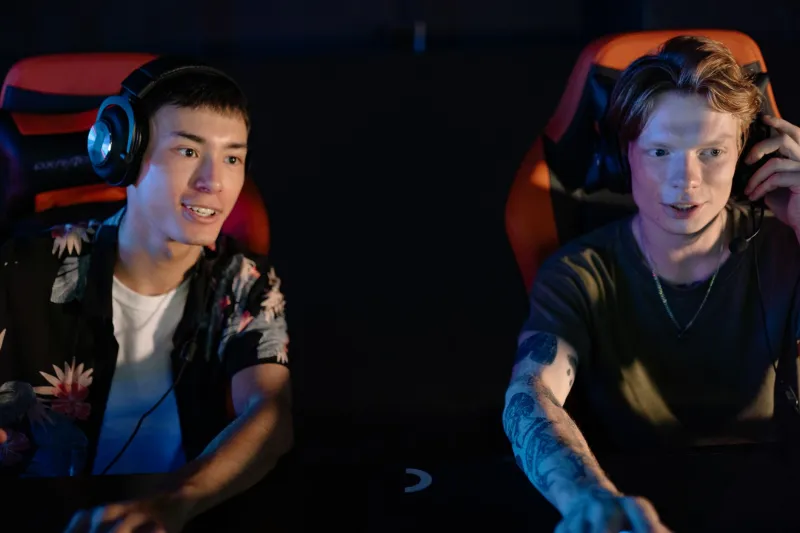
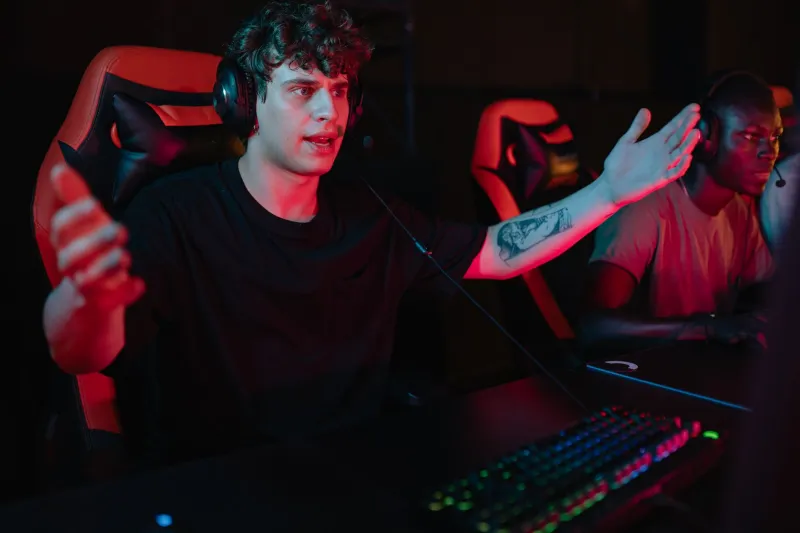
Here's a scenario that probably sounds familiar. You've got a solid five-stack going. Good win rate, decent communication, a handful of players who genuinely know what they're doing. Then one rough losing streak hits, someone starts flaming in voice chat, a couple of players go quiet, and within two weeks, half the roster has ghosted the Discord entirely. Nobody said they were leaving. They just... stopped showing up.
That's not a coincidence. That's toxicity doing exactly what it does best — quietly dismantling the most valuable thing a gaming community can have: its best players.
The Silent Exit Problem
Here's the thing about skilled players that a lot of communities never figure out: they have options. A high-ranked player who's grinding toward their peak doesn't need your server. They don't need your squad. They can find another group, solo queue, or simply step back from organized play altogether. What they won't do is stick around in an environment that costs them mental energy without giving anything back.
Researchers who study online community retention — including work published by groups studying multiplayer game ecosystems — consistently find that negative social experiences are a stronger predictor of player departure than actual gameplay frustration. Losing a match is recoverable. Being screamed at by a teammate, publicly mocked for a mistake, or just existing in a culture where putting people down is the default communication style? That's a slow drain that eventually hits zero.
The players who leave quietly are rarely the weak links. They're usually the ones who've developed enough self-awareness to recognize a bad environment when they're in one — and enough discipline to walk away from it.
What Franchise Orgs Figured Out Early
Professional esports organizations didn't stumble into the idea of team culture by accident. Teams like Cloud9, Team Liquid, and 100 Thieves have invested real resources into sports psychologists, structured communication frameworks, and what the industry broadly calls "mental performance coaching." That's not a soft, feel-good expense — it's a competitive edge.
When Liquid overhauled their CS roster culture several years back, the internal conversation wasn't just about individual mechanics. It was about how players communicated after a lost round, how criticism was framed in VOD review sessions, and whether the environment was one where players felt safe enough to make mistakes and learn from them. The results didn't happen overnight, but the correlation between deliberate culture-building and sustained competitive performance is hard to argue with at the franchise level.
What those orgs learned — and what most casual communities never bother to apply — is that psychological safety isn't just a nice-to-have. It's a prerequisite for improvement. Players who are afraid of being flamed for a bad rotation are players who stop taking calculated risks. Players who stop taking risks stop developing. And communities full of players who've stopped developing stagnate fast.
The Skill Ceiling You're Building Yourself
Toxic environments don't just drive away talent — they actively suppress the growth of the players who stay. Think about what learning actually requires: attempting things you're not yet good at, failing visibly, getting feedback, and adjusting. Every single one of those steps is harder in a toxic environment.
When your squad's default response to a mistake is ridicule, players learn to play conservatively. They stop experimenting with new strategies. They avoid the kinds of creative, high-risk plays that separate good players from great ones. The irony is brutal — communities that are the harshest on mistakes end up producing the most mistake-averse, least-improving players over time.
Compare that to squads where post-game analysis sounds like "hey, that rotation didn't work because of X, let's try Y next time" instead of "you're actually terrible, uninstall." The second environment produces better players. Full stop. It's not even close.
Building Something That Actually Works
So what does a healthy competitive community actually look like in practice? It's not a participation-trophy situation where everyone claps for mediocrity. The best competitive environments are more demanding than toxic ones — they just channel that demand constructively.
Set communication standards before the first session, not after the first blowup. If your Discord or squad has no explicit norms around how people talk to each other during and after games, you're leaving the culture to whoever is loudest and most aggressive. That's almost never the person you want defining the vibe. Write it down. Pin it. Enforce it.
Separate the moment from the debrief. In-game voice chat is for calls, rotations, and quick adjustments. It is not the time for a performance review. The most functional squads treat the post-game lobby or a scheduled review session as the space for real analysis — when emotions have settled and everyone can actually think clearly.
Make accountability two-directional. One of the fastest ways to breed resentment in a squad is when criticism only flows downward — experienced players unloading on newer ones while never examining their own play. Squads where everyone, regardless of rank, is expected to reflect on their own mistakes create a culture of shared ownership. You're all in it together, which means the L belongs to everyone.
Recognize improvement, not just performance. If the only time someone gets acknowledged is when they pop off with a big game, you're training your community to value outcomes over process. Call out the teammate who made the right call even when it didn't pan out. Point out when someone's positioning has visibly improved over the last few sessions. That kind of reinforcement builds the exact behaviors that lead to long-term growth.
The Real Competitive Advantage
Look — FragZone exists because competition matters. The grind is real, the stakes feel real, and nobody's here to pretend that gaming is all sunshine and perfect callouts. Competitive environments are going to have friction. That's part of what makes them worth engaging with.
But there's a massive difference between competitive intensity and toxic culture. The first makes you better. The second just makes you feel worse while your best squadmates quietly find somewhere else to be.
The communities that are actually climbing — the Discord servers producing ranked players, the squads making noise in amateur tournaments, the friend groups that have been grinding together for years — they've figured out that culture isn't separate from competition. It is the competition. How you treat each other between the games determines how good you get at the games.
Your toxic squad isn't just losing players. It's losing the version of itself that could have been genuinely dangerous. Fix the culture, and you might be surprised who comes back — and how fast everyone levels up.